
Healthcare Integrations & Interoperability Services Across the USA
Taction Software delivers next-generation Healthcare Integrations that unify EHRs, EMRs, labs, imaging systems, telehealth platforms, and mobile apps across all 50 U.S. states — from New York City to Los Angeles, Chicago to Houston, and Miami to Seattle. With over 20 years of U.S. healthcare IT expertise, we build secure, scalable, and compliant integration ecosystems powered by HL7, FHIR, and Mirth Connect — ensuring frictionless data flow, real-time care coordination, and end-to-end HIPAA compliance.

Share Your Project Requirements
Our experts are ready to understand your business goals.
































Our Core Healthcare Integration Services
At Taction Software, we deliver end-to-end HIPAA SaaS development services customized for San Diego’s growing healthcare and biotech industries. We handle every phase of SaaS development — from concept and compliance strategy to cloud deployment and post-launch monitoring.
1.HL7 & Legacy System Integration
We modernize legacy HL7 v2/v3 interfaces to synchronize data between EMRs, labs, and revenue-cycle systems nationwide.
2.FHIR-Based API Interoperability
We design FHIR APIs and SMART on FHIR apps for mobile and cloud health platforms serving providers across the U.S.
3.Mirth Connect Interface Engine Deployment
Certified experts implement and maintain Mirth Connect for routing, transformation, and monitoring across enterprise ecosystems.
4.EHR/EMR, HIE & PHR Integration
Integrating Epic, Cerner, Allscripts, and HIE networks so care teams have a single source of truth for every patient.
5.Data Migration & Governance
We map terminologies (SNOMED, LOINC) and ensure clean data flows through standardized models and governance frameworks.
Need Help with Healthcare Mobile App Development?
Types of Healthcare Integration Apps We Develop
At Taction Software, we build a wide range of healthcare integration applications tailored to hospitals, laboratories, telehealth startups, and enterprise healthtech platforms.
Our solutions ensure seamless data exchange, regulatory compliance, and scalable performance across every digital health environment.
Whether you’re modernizing a legacy EHR, connecting multiple systems through FHIR APIs, or integrating IoT medical devices, we design applications that bring security, interoperability, and automation together under one unified architecture.
Explore how we’ve helped hospitals, clinics, and healthcare startups
Our Proven Healthcare Integration Process
1. Discovery & Assessment
We start by conducting a detailed system audit and workflow analysis across all your locations. This includes reviewing your EHRs, EMRs, LIS, RIS, billing, and telehealth systems to identify integration gaps, redundant processes, and compliance risks. The outcome is a clear interoperability roadmap that aligns with your clinical and administrative goals.
2. Architecture Design
Our solution architects then design a standards-based integration blueprint using HL7 v2/v3, FHIR R4/R5, SMART on FHIR, and Mirth Connect. We define data models, API structures, and security layers to ensure seamless communication and scalability. Every architecture is built with HIPAA, HITECH, and CPRA compliance at its core.
3. Development & Implementation
Once the architecture is approved, our engineers build custom connectors, transformation pipelines, and API endpoints to integrate your systems. Using Mirth Connect as the interface engine, we configure real-time data routing, message transformation, and validation logic — ensuring smooth data flow between internal and third-party systems.
4. Testing & Validation
We perform rigorous conformance testing for HL7 and FHIR standards, followed by performance, load, and failover testing to validate accuracy and reliability. Our QA team simulates live transactions to ensure interoperability works flawlessly in production — without data loss, duplication, or security gaps.
5. Deployment & Monitoring
We manage the go-live phase carefully, deploying the integration ecosystem with zero downtime. Our 24×7 monitoring setup tracks message queues, interface health, and system performance. Proactive alerts and automated failover ensure uninterrupted data exchange and business continuity.
6. Support & Optimization
After deployment, we provide continuous support — including system upgrades, new FHIR version rollouts, and interface scaling as your organization grows. We also conduct periodic security audits, performance tuning, and compliance reviews to keep your systems optimized and future-proof.
Tailored Services, Personalized Results
Case Study & Testimonial
Nationwide Impact & Outcomes
| Metric | Before | After Taction Integration |
|---|---|---|
| Data Latency | 3 – 5 min | < 5 sec |
| Duplicate Records | 25 % | < 2 % |
| Time to Go-Live | 9 – 12 months | 4 – 6 months |
| Integration Cost | High | ↓ 40 % |
| Compliance Violations | 3 / year | 0 |
Turn your vision into reality. Contact us for a free quote.
Rapid Development : Experience the TURBO
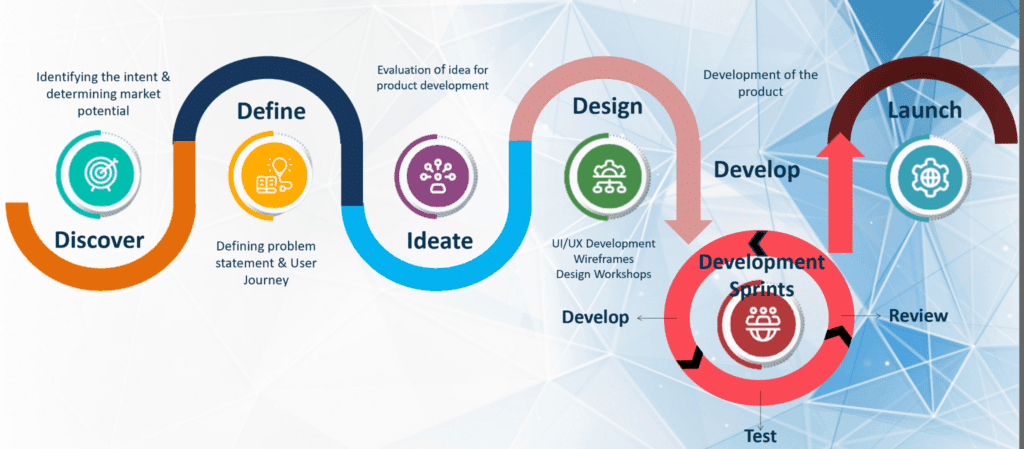
✔ Agile & User-Centric – Accelerated MVP development for faster market entry.
✔ Shortest Time-to-Market – Our TURBO framework ensures speed & efficiency.
Awards & Recognitions





Let's Collaborate. We're Just a Click Away.
Frequently Asked Questions About Healthcare Integrations
Implementing healthcare integrations involves more than just connecting EHRs and APIs — it’s about creating a secure, compliant, and interoperable ecosystem that aligns with your organization’s workflows, compliance needs, and patient care goals. Below are some of the most common questions healthcare executives, IT leaders, and digital health startups ask before starting their integration journey.